Twin Tank Water Softener: How It Works and Who Really Needs One
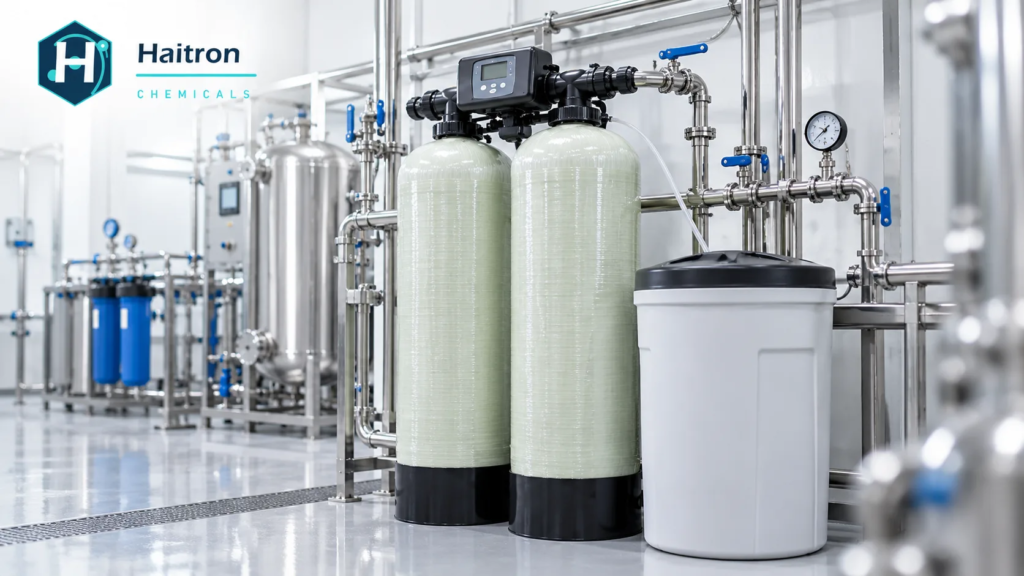
A twin tank water softener uses two resin tanks and one control valve, so one tank softens your water while the other cleans itself. That means you get soft water 24 hours a day, even during regeneration. It costs more and takes more room, so it’s not the right pick for every home.
Below, you’ll learn how it works, how it compares with a single tank, how to size one, and the mistakes buyers make.
How does a twin tank water softener work?
Each tank holds resin beads that trade hardness minerals for sodium. One tank stays in service until it’s full of hardness. Then the valve switches your water to the fresh standby tank and regenerates the tired one with brine. Think of two phone batteries: one charges while the other powers your phone.
A. O. Smith’s twin tank brochure describes it the same way. The valve switches from the exhausted tank to the standby tank automatically. It then regenerates using softened water from the other tank, which the company says helps extend resin life.
Common examples are systems built on the Fleck 9100SXT or Clack WS1EE control valves. Aquatell offers twin units on both.
Twin tank vs single tank water softener: what’s the difference?
A single tank softener goes offline during regeneration, so you may get hard water or none. To avoid that, it usually regenerates overnight, sometimes before its resin is used up. A twin tank system keeps soft water flowing at all times and runs each tank fully down before cleaning it.
| Feature | Single tank | Twin tank (alternating) |
|---|---|---|
| Soft water during regeneration | No; hard water may pass through bypass | Yes; standby tank takes over |
| When it regenerates | Usually on a set overnight schedule | Whenever a tank is used up, day or night |
| Water used to regenerate | Usually hard water | Often softened water from the other tank |
| Space | One resin tank plus brine tank | Two resin tanks plus brine tank |
| Typical price | Lower | About double a comparable single (Aquatell) |
| Best for | Most homes with normal hardness | Extreme hardness, 24/7 demand, shift work |
Harvey Water Softeners argues that a single tank can only regenerate too early, wasting salt, or too late, letting hard water through. Aquatell adds that a twin tank’s salt advantage is only slight. Water use is about the same, because it tracks resin capacity either way.
Do you need a twin tank water softener?
Most homes don’t. Aquatell says a twin tank earns its price in two cases. One is hardness so high, generally above 40 grains per gallon, that a single tank can’t last a full day. The other is no safe overnight window to regenerate, as with shift workers, restaurants, or round the clock commercial use.
Grains per gallon (gpg) is simply a hardness unit, like miles per hour for speed. If your water tests at 10 gpg and your home is quiet at night, a well sized single tank is usually fine.
Businesses are a different story. Hotels, car washes and process lines often can’t stop for an hour, which is why twin and multi tank designs are common in commercial and industrial water treatment.
How does a non-electric twin tank water softener work?
It runs on water pressure instead of electricity. A small turbine counts the gallons flowing through, much like a water meter. When a set volume has passed, flowing water itself drives the valve through regeneration and switches tanks. There’s no clock, circuit board or plug to fail.
Kinetico is the best known example. Its 2023 Premier Series brochure lists non electric operation, demand based regeneration, and a twin tank system with one tank always in service. Kinetico patents describe these valves as non-electric, meter driven, demand initiated regeneration designed for twin tank setups.
The trade off is that these systems are proprietary. Service usually goes through a dealer, while Fleck and Clack parts are widely sold.
How do you size a dual tank water softener?
Size each tank to handle your full daily load on its own. Multiply your total hardness by your daily gallons. Then pick a tank whose capacity covers at least that, with room to spare. Also check that one tank alone can carry your peak flow, because only one tank serves at a time.
Dultmeier’s formula adds iron to hardness: grains of hardness plus ppm of iron, times maximum gallons per day.
Here’s a worked example with made up numbers. Say your water has 20 gpg hardness and 1 ppm iron, and you use 300 gallons a day. That’s 21 × 300, or 6,300 grains a day. One of Dultmeier’s twin units uses 8 by 44 inch tanks rated at 24,000 grains maximum each. At full salt, each tank would last a little under four days.
Capacity drops when you use less salt. Aquatell lists its Fleck 9100SXT twin at a salt efficiency of 3,333 grains per pound, with tank sizes from 1.0 to 3.0 cubic feet of resin. A cubic foot is about the size of a basketball box.
What does a twin tank water softener setup involve?
Setup looks a lot like a single tank system. You need:
- A spot for both tanks and the brine tank.
- A bypass valve.
- A drain line.
- A power outlet, unless the system is non-electric.
Program your hardness (plus any iron) into the valve, fill the brine tank, then run a manual regeneration on each tank.
Aquatell says a Clack based twin is no harder to install yourself than a single tank. Larger systems may arrive on a pallet by truck, so plan your access route.
Common mistakes to avoid
- Buying a twin when a correctly sized single tank with overnight regeneration would do.
- Undersizing each tank. If one tank runs out before the other finishes regenerating, hard water slips through.
- Forgetting peak flow. Two tanks don’t double your flow in an alternating system.
- Expecting it to fix iron or corrosive water. Even sellers of twin units admit a properly sized single tank removes hardness and ferrous iron just as well.
- Skipping a water test before choosing a size.
Tips and honest limitations
Test your water first, including iron. Choose metered regeneration over a timer, and keep your settings updated when your water source changes.
The resin matters as much as the valve. Most softeners use strong acid cation resin, and its quality affects capacity and life.
Know the limits. A twin tank system costs about twice as much and needs more floor space. It also has more parts, such as the piston, seals and spacers, that Aquatell lists as normal wear items. And a softener removes hardness, not bacteria or chemicals.
Conclusion
A twin tank water softener is the right tool when you can’t stop for regeneration or your water is extremely hard. For most homes, a well sized single tank works just as well for less money. Next step: test your water, do the sizing math above, and browse our ion exchange resin range if you’re building or refilling a system.
FAQs
Can I convert my single tank softener to a twin tank?
Usually not by adding a tank. You need a twin alternating valve, such as a Fleck 9100SXT, plus a second resin tank.
Do both tanks share one brine tank?
In most residential twin systems, yes. Dultmeier’s units list one brine tank serving two resin tanks.
Is a dual tank water softener good for well water?
It works well if your demand is high or your hardness is extreme. Pretreat heavy iron, sediment or low pH first.
What’s the difference between twin alternating and twin parallel?
Alternating runs one tank at a time for nonstop soft water. Parallel runs both together for higher flow, a setup mainly used commercially.
Can Haitron supply resin for twin tank systems?
Yes. Haitron makes softening resin for water treatment. To match a resin to your system, contact our technical team.