Metal Recovery From Wastewater: Simple Methods and How to Choose
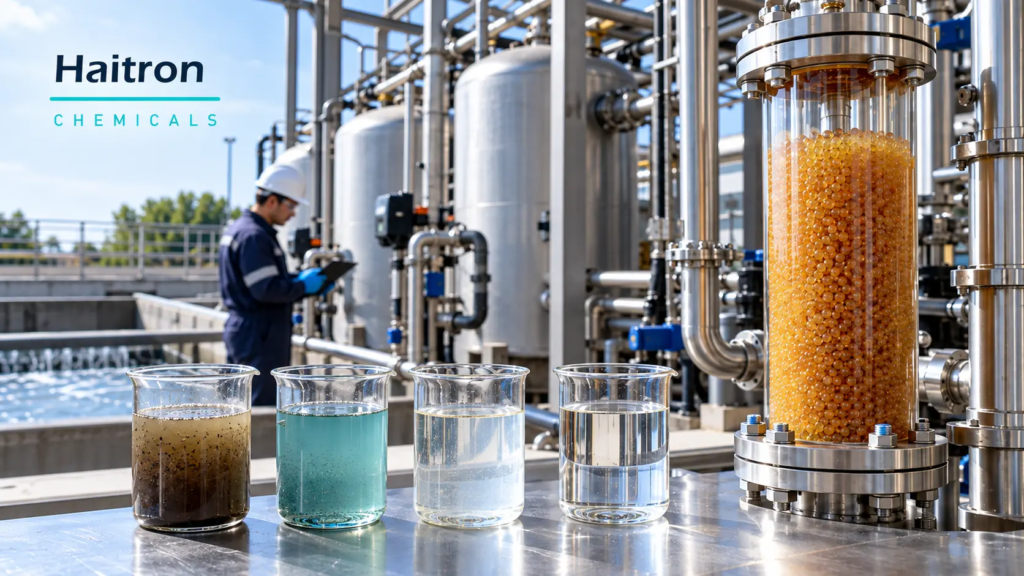
Metal recovery from wastewater means pulling metals like copper, nickel, zinc, gold, or silver out of dirty process water so you can use or sell them again. The usual plan has three parts. You keep metal streams apart, concentrate the metal, and then turn it back into solid metal or a useful liquid.
No single method works for every plant. The right choice depends on which metals you have, how much is there, and what else is in the water.
Removal and recovery aren’t the same thing
These two words sound alike, but they lead to very different results.
Removal gets metals out so the water can be released. The classic way mixes all the dirty water together and adds chemicals so the metals turn into a thick mud called sludge. The water ends up clean enough, but the metals are stuck in a mixed sludge that has to be thrown away.
Recovery gets metals out in a form someone can use. For that, you have to keep each stream separate. One patent on plating wastewater explains why: pulling mixed metals apart again is usually hard and costly. Think of it like sorting a bag of mixed candy. It’s much easier if you never dump the bags together.
So recovery starts with your pipes, not your treatment tanks. Once streams mix, most of the value is gone.
Where metal recovery from wastewater makes sense
Here are the most common sources:
- Plating and metal finishing rinse water, with copper, nickel, zinc, chromium, cadmium, or precious metals
- Mining and leach solutions (liquids used to wash metal out of rock)
- Electronics and chip making wastewater, which can contain gallium
- Battery recycling streams, which can contain lithium
- Salty brines from desalination and industry
- Old wastewater sludge, which can be soaked in acid to pull the metals back into liquid
A 2023 paper in Nature Water by Yale researchers points out a real problem. There’s still little clear guidance on which metals are worth recovering, or which methods actually pay off. That means every project needs its own numbers.
The main methods
Chemical precipitation
You add chemicals, like lime, that raise the pH. The metals turn into solids and sink, like sand settling in a glass of water. It’s simple and cheap to run.
The downside is sludge. It can also struggle to reach very low limits. It works as recovery only when a stream holds just one metal and a recycler will take the sludge.
Ion exchange and chelating resins
Ion exchange resin is a bed of tiny plastic beads. As water flows past, metal ions stick to the beads and harmless ions take their place, a bit like swapping trading cards. When the beads are full, a strong acid or salt solution washes the metal off. Now the metal sits in a much smaller amount of liquid.
Plants like ion exchange because it can clean water to very low levels, cut down on sludge, and target certain metals. But pH, flow speed, contact time, and other ions in the water all change how well it works. Oil and grease can also clog the beads.
There’s one catch people often forget. The acid that washes the beads becomes a strong metal liquid of its own. It still needs a place to go, so ion exchange alone doesn’t give you zero waste.
A chelating resin holds on to certain metals more tightly, like a claw instead of a magnet. One study found a chelating resin beat regular resins at grabbing nickel at low levels. But it isn’t magic. One industry report to the EPA notes that a common chelating resin type holds nickel poorly when copper or lead are also there. Always test with your real water.
Regular strong acid cation resin can also help. Studies have used it to recover copper and lead from wastewater.
Electrowinning
Electrowinning runs electricity through a metal rich liquid. The metal sticks to a metal plate as solid metal, much like how a plating tank works. The plates then go to a refiner.
This method shines with gold, silver, copper, cadmium, and zinc. Chromium is a different story, since results there tend to be poor, and nickel only cooperates when the pH is kept under tight control. Because the process depends on a strong, concentrated solution, you’ll often see it teamed up with ion exchange.
Evaporation
Evaporators boil off rinse water so the leftover chemicals can go back into the plating tank. This saves chemicals, but it uses a lot of energy. In one industry example, evaporating about 5,760 gallons of rinse water per shift would take roughly 51 million BTU of heat each shift.
Membranes
Membranes are very fine filters. Reverse osmosis, nanofiltration, and electrodialysis all use them to separate metals from water. A 2023 review found specially built membranes can remove metals almost completely. It also found that mixing membranes with other methods, like precipitation, can save energy. Clogging and mineral buildup are the main problems.
Solvent extraction
This method is common in mining. A special oily liquid pulls the metal out of the water, like oil and vinegar separating in salad dressing. Then the metal is moved into a clean liquid. The downside is handling the solvents safely.
Newer methods
Some new methods use tiny living things, plant extracts, or new materials. They can catch metals even when there’s very little in the water. That’s exactly where older methods struggle. But most aren’t ready for big factories yet.
How to choose: five questions
- Which metals do you have, and how much? Test each stream. Electrowinning needs strong liquid. Ion exchange suits weak, dilute water.
- Is it one metal or a mix? One metal is much easier to recover. A mix usually means removal, or special resins plus extra steps.
- What else is in the water? Oil, grease, lots of salt, or chemicals that grip metals (like cyanide or ammonia) all change the answer.
- What’s your goal? You might need to meet discharge rules, earn money from the metal, or reuse the water. Precious metals can pay for themselves. Common metals often pay off only when you count the sludge and chemicals you no longer buy.
- What form do you want at the end? Solid metal for a refiner, a salt liquid, or chemicals sent back to your own tank each need different equipment.
How the methods work together
Metal recovery from wastewater works best as a chain of steps. Here’s a common setup for a nickel or copper plating line:
- Waste less first. A catch tank and smart rinsing keep more metal in the plating tank.
- Filter the rinse water.
- Use ion exchange to capture the metal.
- Wash the resin to get a small, strong metal liquid.
- Use electrowinning to turn that liquid into solid metal, or evaporate it and send it back to the tank.
Wasting less matters just as much as treatment. EPA programs for metal finishers have shown this with simple steps like spray rinses.
Recovery doesn’t always mean you can discharge
This part surprises many people. In comments to the EPA, the plating trade group NASF shared a clear example. Electrowinning cut nickel in a liquid from about 4,000 ppm to about 10 ppm. That’s a 99.75% drop.
But the federal rule for metal finishers limits nickel to 2.38 mg/L as a 30 day average. So that “clean” liquid still couldn’t go down the drain. Plan for a final cleanup step, often ion exchange or precipitation. And always check which limits apply to your plant and location.
Common mistakes
- Mixing streams before thinking about recovery
- Choosing equipment before testing the water
- Forgetting that resin wash liquid still needs a home
- Expecting one method to do everything
- Skipping pretreatment for oil, grease, and solids
- Trusting lab results without a pilot test on your own water
- Counting only the metal’s value and ignoring saved sludge, chemical, and water costs
FAQs
Is metal recovery profitable?
Sometimes. Precious metals in strong, single metal streams often are. For common metals, the savings on sludge, chemicals, and water usually decide it.
Can metals be recovered from old sludge?
Yes. The sludge can be soaked in acid so the metals dissolve again. Then methods like ion exchange or solvent extraction clean them up.
Why is it hard to recover metals from very weak wastewater?
The metal is spread thin in lots of water. Most methods waste energy or chemicals on the water, so a concentrating step usually comes first.
Do I need a pilot test?
It’s a smart idea. Real wastewater has other ions that can change how a resin or membrane behaves compared with lab results.
Does Haitron build complete metal recovery plants?
Haitron makes ion exchange and chelating resins used in hydrometallurgy and environmental protection applications. Our technical team supports you from resin selection to startup. To get a resin suggestion, share your water data through our contact page.
Your next step
Start by testing each stream for metals, amounts, flow, pH, oils, and metal gripping chemicals. With that list, you’ll see which streams are worth keeping separate and which methods fit. That’s the simplest way to make metal recovery from wastewater work for your plant.